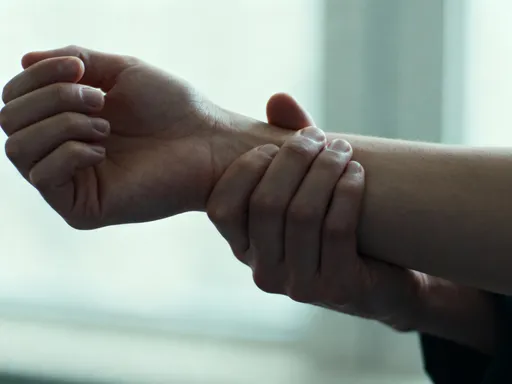
Why I Swear By Quick TCM Tune-Ups for Everyday Balance
You don’t have to wait until you’re sick to feel better. I used to ignore my body until fatigue or stress hit hard—until I discovered how quick traditional Chinese medicine (TCM) adjustments can restore daily balance. It’s not about drastic changes, but small, consistent practices that align your energy. From morning routines to simple self-massage, these natural methods support long-term wellness. Let me walk you through how TCM helped me stay resilient—without overhauling my life.
The Modern Burnout Problem – Why Quick Fixes Matter
In today’s fast-paced world, many women between the ages of 30 and 55 find themselves stretched thin. Responsibilities at home, work, and within the family often leave little room for self-care. Fatigue, low-grade headaches, digestive discomfort, and emotional fluctuations are no longer rare—they’ve become routine. Yet most people still wait until symptoms become severe before seeking help. This reactive approach to health is increasingly outdated. The reality is that the body sends subtle signals long before illness fully develops. In traditional Chinese medicine, these early warnings—like trouble waking up, frequent colds, or mild irritability—are seen not as inconveniences but as signs of imbalance.
What makes TCM particularly valuable in modern life is its emphasis on prevention. Rather than waiting for disease to take root, TCM encourages regular, gentle interventions to maintain harmony. This proactive model aligns perfectly with the needs of busy women who want to stay energized and emotionally steady without drastic lifestyle changes. Quick tune-ups—such as a few minutes of acupressure, a nourishing herbal tea, or mindful breathing—can reset the body’s rhythm before stress accumulates. These practices are not emergency fixes; they are daily maintenance, like brushing your teeth or hydrating.
Moreover, the cumulative effect of small, consistent actions often outweighs the impact of occasional intensive treatments. A woman who takes five minutes each morning to stretch and check in with her body is more likely to catch imbalances early than one who only visits a practitioner when overwhelmed. This shift from crisis management to continuous care is what makes TCM so sustainable. It doesn’t demand hours of time or major sacrifices. Instead, it offers practical tools that fit into real life. In a culture that glorifies busyness, these micro-practices become quiet acts of resistance—ways to honor your body’s need for balance before burnout sets in.
TCM Basics: Understanding Qi, Yin-Yang, and Body Rhythms
To understand how quick TCM adjustments work, it helps to grasp a few foundational concepts. At the heart of traditional Chinese medicine is the idea of Qi (pronounced “chee”), often described as vital energy or life force. Qi flows through the body along pathways called meridians, supporting all physical and mental functions. When Qi moves smoothly, the body feels strong, alert, and resilient. When it becomes blocked or depleted, symptoms like fatigue, tension, or poor digestion may arise. Think of Qi like the electrical current in a home—when the circuit is clear, everything runs smoothly; when it’s disrupted, lights flicker and appliances fail.
Another core principle is the balance between yin and yang. In TCM, yin represents rest, nourishment, and coolness, while yang stands for activity, warmth, and energy. Good health depends on a dynamic equilibrium between these forces. For example, a woman who works long hours (yang) but doesn’t rest enough (yin) may eventually feel drained or overheated. Similarly, someone who eats too many cold foods in winter may weaken their internal warmth, disrupting the yin-yang balance. TCM doesn’t label foods or activities as “good” or “bad”—instead, it emphasizes context and moderation.
TCM also recognizes that the body follows natural rhythms, particularly the 24-hour organ clock. Each organ system is believed to be most active during a two-hour window each day. For instance, the liver’s peak time is between 1 a.m. and 3 a.m., making it crucial to be asleep by then for optimal detoxification and emotional regulation. The spleen and stomach, responsible for digestion and energy production, are most active between 7 a.m. and 9 a.m.—which is why a hearty breakfast supports strong Qi. By aligning daily habits with these rhythms, women can enhance their vitality without extra effort. These concepts aren’t mystical—they reflect the body’s innate intelligence and its need for regularity, rest, and appropriate nourishment.
Quick TCM Adjustment: What It Is and How It Differs
A “quick TCM adjustment” refers to brief, intentional practices that help restore balance before symptoms worsen. Unlike Western medicine, which often focuses on diagnosing and treating specific diseases, TCM aims to detect and correct imbalances at an early stage. This preventive approach means that you don’t need to be ill to benefit from TCM. A quick adjustment might take just two to ten minutes and can include techniques like pressing acupressure points, sipping a warming tea, or practicing diaphragmatic breathing. The goal is not to cure but to support the body’s natural ability to self-regulate.
One key difference is mindset. Western health care often waits for a problem to arise before taking action—like treating high blood pressure after years of neglect. TCM, by contrast, views the body as a garden that requires daily tending. Just as a gardener removes weeds early and waters plants regularly, a person practicing TCM makes small, consistent efforts to maintain wellness. This doesn’t mean adding more to an already full schedule. Instead, it’s about integrating simple actions into existing routines—such as doing a quick ear massage while waiting for the kettle to boil or taking three deep breaths before answering a stressful email.
Another distinction lies in self-awareness. TCM encourages tuning in to subtle bodily cues—like a slight heaviness in the limbs, a change in tongue coating, or a shift in energy levels. These signs, often overlooked in modern life, are valuable feedback in TCM. By learning to recognize them, women can respond early with appropriate adjustments. For example, feeling unusually tired by mid-afternoon might indicate spleen Qi deficiency, which can be supported with a warm meal and a short rest. Over time, this heightened awareness becomes a form of self-knowledge that empowers daily decision-making. Quick adjustments are not substitutes for medical care, but they are powerful tools for maintaining resilience in the face of everyday stress.
Morning Rituals to Boost Qi and Set the Tone
The way you start your day can set the tone for your entire energy level and mood. In TCM, the early morning hours—particularly between 5 a.m. and 7 a.m.—are governed by the large intestine, a time associated with elimination and letting go. This makes it an ideal window for releasing physical and emotional stagnation. A simple yet effective morning routine can include checking your tongue, drinking warm water, stretching gently, and stimulating key acupressure points. These actions take less than ten minutes but can significantly enhance Qi flow and mental clarity.
Begin by observing your tongue in the mirror. A healthy tongue should be pale pink, moist, and have a thin white coating. A thick coating may suggest digestive stagnation, while a red or cracked tongue could indicate heat or deficiency. This quick check offers insight into your internal state without any equipment. Next, drink a cup of warm lemon water. This practice supports digestion and helps awaken the stomach Qi, especially important during its peak time in the morning. Avoid icy drinks, which can shock the digestive system and weaken spleen function according to TCM principles.
Follow this with a few gentle stretches—like reaching the arms overhead or rotating the wrists and ankles—to encourage Qi circulation. Then, apply light pressure to two key points: Renzhong (GV26), located just below the nose, and Zusanli (ST36), found four finger-widths below the kneecap. Renzhong is known to refresh the mind and combat fatigue, making it ideal for groggy mornings. Zusanli is one of the most important points for boosting overall Qi, supporting digestion, and strengthening immunity. Press each point with the thumb for 30 to 60 seconds, using firm but comfortable pressure. These small actions signal to the body that it’s time to awaken and engage, creating a sense of grounded energy that lasts through the day.
Midday & Evening Reset Techniques for Stress and Digestion
As the day progresses, energy naturally fluctuates. The midday period, especially between 11 a.m. and 1 p.m., corresponds to the heart in TCM, a time linked to mental clarity and emotional openness. Yet this is often when stress peaks—emails pile up, decisions mount, and energy begins to dip. A brief reset can prevent Qi stagnation, particularly in the liver, which governs smooth flow of energy and emotions. One effective technique is ear massage. The ear contains reflex points connected to the entire body, and stimulating them can calm the nervous system, improve focus, and relieve tension.
Take two to three minutes to gently rub the outer ears, pull on the earlobes, and press the small indentations around the ear canal. This simple act increases blood flow and activates the parasympathetic nervous system, helping the body shift from “fight-or-flight” to “rest-and-digest” mode. It’s especially useful before or after a challenging meeting, or during a midday break. Pair this with a few slow, deep breaths—inhaling through the nose, expanding the belly, and exhaling fully. This type of abdominal breathing nourishes the lungs and helps regulate Qi flow throughout the body.
In the evening, digestion becomes a key focus. According to TCM, the spleen plays a vital role in transforming food into usable energy. However, modern habits like eating on the go, skipping meals, or consuming cold foods can weaken spleen Qi over time. A simple way to support digestion is to take a 10-minute walk after meals. This gentle movement stimulates the spleen and stomach, promoting smoother digestion and preventing bloating. Additionally, avoid heavy meals late at night, as the body’s digestive fire is weakest in the evening. Before bed, practice abdominal breathing for five minutes—lying down with one hand on the chest and one on the belly, ensuring the belly rises with each inhale. This calms the mind, supports liver function, and prepares the body for restful sleep. These brief resets are not time-consuming but are deeply restorative when practiced consistently.
Diet as Daily Medicine: Simple Food Adjustments That Work
In TCM, food is considered one of the most powerful forms of medicine. Unlike restrictive diets that focus on calories or macronutrients, TCM emphasizes the energetic qualities of food—whether it’s warming, cooling, drying, or moistening. The goal is not weight loss but balance. For example, a woman who feels cold, fatigued, or bloated may benefit from warming foods like soups, stews, and cooked vegetables, which support spleen and stomach Qi. On the other hand, someone experiencing heat, irritability, or acne might do better with cooling foods like cucumber, pear, or mung beans, which clear excess fire.
One of the easiest and most effective adjustments is to reduce raw and cold foods, especially in the morning and during colder months. Salads, smoothies, and iced drinks may seem healthy, but in TCM, they require more energy to digest and can weaken digestive fire over time. Instead, start the day with warm, cooked foods like oatmeal, congee, or scrambled eggs. Congee, a simple rice porridge, is particularly valued in TCM for its ability to tonify Qi and nourish the digestive system, especially when recovering from illness or fatigue. Adding a small piece of ginger enhances its warming and digestive properties.
Another helpful practice is drinking ginger tea, especially after meals. Fresh ginger root stimulates digestion, reduces nausea, and helps move stagnant Qi. Simply slice a thumb-sized piece, steep it in hot water for 5–10 minutes, and sip slowly. Herbal teas like chrysanthemum or peppermint can also be used depending on the season and condition—chrysanthemum for cooling in summer, peppermint for soothing the liver during times of stress. Mindful eating is equally important: chew thoroughly, eat in a calm environment, and avoid multitasking during meals. These small changes don’t require a complete diet overhaul but can lead to noticeable improvements in energy, digestion, and mood over time.
When to Seek a Practitioner – Knowing the Limits
While self-care practices are valuable, they are not a substitute for professional care. TCM offers a wide range of treatments—including acupuncture, herbal medicine, cupping, and personalized dietary advice—that should be administered by a licensed practitioner. There are clear signs that indicate it’s time to seek expert help. Chronic fatigue that doesn’t improve with rest, persistent pain, frequent headaches, or ongoing digestive issues may point to deeper imbalances that require diagnosis and tailored treatment. Similarly, long-term sleep disturbances, such as difficulty falling asleep, waking frequently, or waking too early, often reflect underlying disharmonies in the liver, heart, or kidneys.
A qualified TCM practitioner can assess your condition through methods like pulse reading, tongue diagnosis, and detailed health history. This allows for a precise understanding of your unique pattern of imbalance—whether it’s Qi deficiency, blood stagnation, or dampness—and the development of an individualized plan. For example, two women with fatigue may receive completely different treatments based on their specific TCM diagnosis. One may need tonifying herbs to build Qi, while the other may require herbs to move stagnation and clear dampness. This personalized approach is one of TCM’s greatest strengths.
It’s also important to integrate TCM with conventional medical care when necessary. If you have a diagnosed medical condition, are pregnant, or are taking medications, consult both your doctor and a licensed TCM practitioner to ensure safe and coordinated care. TCM should complement, not replace, essential medical treatments. By knowing when to seek help, women can use both self-care and professional support to maintain long-term wellness. The goal is not to become dependent on practitioners, but to develop a balanced approach that honors both self-awareness and expert guidance.
True wellness isn’t about dramatic overhauls—it’s built through small, intentional choices. Quick TCM adjustments offer a sustainable way to maintain balance in real life. By tuning in daily, we honor our body’s wisdom and prevent burnout before it starts. This isn’t medicine for sickness—it’s medicine for living well.