Lost in the Beauty of Al Wakrah’s Wild Shores
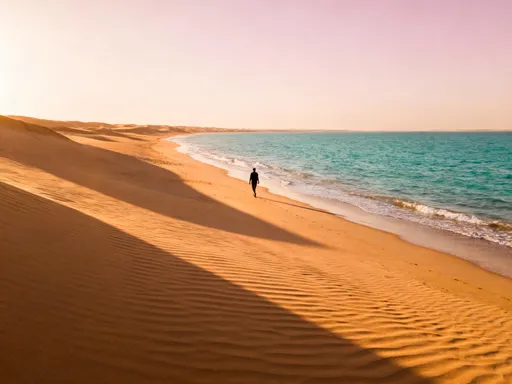
You know that feeling when you stumble upon a place so quiet, so untouched, it’s like the world hits pause? That’s Al Wakrah. I went wandering along Qatar’s southeastern coast with no plan, just my sneakers and curiosity—and ended up face-to-face with golden dunes melting into turquoise waves. This isn’t your typical tourist hotspot. It’s raw, real, and absolutely stunning. If you’re craving nature that feels personal, not polished, you gotta check this out. Here, the sea breathes slowly, the wind carries whispers instead of shouts, and time seems to stretch just a little longer. For women juggling family, work, and endless to-do lists, this kind of stillness isn’t just rare—it’s necessary.
The Quiet Charm of Al Wakrah: Beyond the City Glow
Just a short drive from Doha’s glittering skyline, Al Wakrah unfolds like a quiet secret. While the capital pulses with energy—shopping malls buzzing, taxis honking, skyscrapers lit like beacons—the coastal stretch of Al Wakrah offers something entirely different: silence. Not empty silence, but the kind filled with soft rhythms—the lapping of waves, the rustle of sea grass, the distant call of a gull. This contrast is exactly what makes the area so powerful. For women who spend their days managing homes, schedules, and relationships, stepping into this calm isn’t just refreshing; it’s restorative.
The coastline here remains largely undeveloped. There are no towering beachfront hotels, no rows of lounge chairs claiming every inch of sand. Instead, you’ll find open stretches where the dunes meet the sea with quiet grace. The shoreline curves gently, inviting slow exploration. Start your walk near the Al Wakrah Corniche, where the paved path gradually gives way to natural terrain. This is where the city’s noise fades, replaced by the steady pulse of nature. You don’t need a map or a tour guide—just a willingness to wander.
What makes Al Wakrah special is its authenticity. It’s not designed for Instagram reels or group tours. It’s a place for individuals seeking space—mental, emotional, physical. Mothers, wives, professionals—any woman who needs to reconnect with herself will find something here. The lack of crowds means you can walk for minutes without seeing another soul. You can pause, breathe, and simply be. And sometimes, that’s the most profound experience of all.
Walking the Coastal Trail: Where Land Meets Sea
The Al Wakrah Corniche extends into a natural coastal trail that’s perfect for unhurried walking. As the paved path narrows and the cityscape disappears behind you, the terrain becomes softer—first compacted sand, then loose grains that shift gently with each step. The sound underfoot changes too: from the steady tap of shoes on concrete to the soft crunch of sand, a rhythm that syncs with your breathing. This is the beginning of disconnection—from devices, from demands, from daily noise.
The trail follows the curve of the bay, offering unobstructed views of the Arabian Gulf. On clear days, the water shimmers in shades of turquoise and aquamarine, so clear you can see small fish darting between pebbles near the shore. The air carries a clean, salty scent, especially in the early morning when the heat hasn’t yet risen. This is the ideal time to walk—when the sun is low, casting long shadows, and the breeze is cool against your skin.
Birdwatchers will appreciate the quiet activity along the shoreline. Herons stand motionless in shallow pools, waiting for their next meal. Sandpipers dart in and out with the tide, their delicate legs moving like clockwork. Even if you’re not a dedicated bird lover, these small moments of observation can be deeply calming. They remind you to slow down, to notice details, to appreciate the quiet industry of nature.
Walking here isn’t about distance or speed. It’s about presence. Many women find that rhythmic walking helps clear their minds—like meditation in motion. With each step, worries loosen their grip. The constant mental chatter—the grocery list, the school pickup, the unread emails—begins to fade. In its place comes a sense of openness, as vast as the horizon. This trail doesn’t demand anything of you. It simply offers space to breathe, think, and feel.
Al Mafjar Beach: A Hidden Slice of Natural Escape
Just a short drive south of central Al Wakrah lies Al Mafjar Beach, one of the region’s best-kept natural treasures. Unlike the manicured shores of more popular beaches, Al Mafjar remains largely untouched. There are no restaurants, no rental umbrellas, no loud music. What you’ll find instead is soft white sand, gentle waves, and an overwhelming sense of peace. This is the kind of place where you can sit for an hour and not see more than a handful of people—often just local families enjoying a quiet outing.
The water here is shallow and clear, making it safe for wading, even for children. On calm days, it’s possible to walk dozens of feet out without the water reaching your knees. The seabed is smooth, free of sharp rocks or debris. Children love splashing in the gentle surf, while adults often sit on the sand, reading or simply watching the light dance on the waves. It’s a rare kind of family time—one not dominated by screens or schedules, but by shared stillness.
Because facilities are minimal, visitors need to come prepared. There are basic restrooms and a few shaded seating areas, but no food vendors or shops. Bring water, snacks, and a hat. A lightweight beach blanket or mat makes sitting on the sand more comfortable. While the lack of amenities might seem inconvenient at first, it’s actually part of the appeal. Without distractions, you’re free to focus on what matters—time with loved ones, the rhythm of the sea, the warmth of the sun.
Al Mafjar Beach is especially beloved by those seeking solitude. For women who spend their days surrounded by noise—children’s voices, household chores, digital notifications—this quiet is a gift. Here, you can sit with your thoughts, journal, or simply close your eyes and listen. The beach doesn’t ask for anything. It doesn’t demand attention. It simply exists, offering a rare kind of permission: to do nothing, and to feel no guilt about it.
The Mangroves at Ras Abrouq: Life in the Shallows
About 30 minutes’ drive from Al Wakrah, near the Zekreet peninsula, lies a surprising ecosystem: the mangroves at Ras Abrouq. These salt-tolerant trees grow in shallow coastal waters, their tangled roots creating a nursery for marine life. At first glance, the area might seem quiet, even barren. But spend a little time here, and you’ll begin to notice the quiet hum of activity—tiny crabs scuttling between roots, fish darting through the water, birds perched on low branches.
The mangroves are best explored by kayak or on foot along designated boardwalks. Paddling through the narrow channels, you move slowly, almost silently, allowing wildlife to remain undisturbed. The water is calm, reflecting the sky like a mirror. In the early morning, mist often hovers just above the surface, giving the place an almost dreamlike quality. For women who rarely have time to move slowly, this kind of deliberate pace feels revolutionary.
This ecosystem is fragile but resilient. The mangroves act as natural filters, improving water quality and protecting the coastline from erosion. They also serve as a stopover for migratory birds, including flamingos and various species of waders. Spotting a flock of pink flamingos against the gray-green backdrop of the mangroves is a sight that stays with you. It’s a reminder that beauty often exists in unexpected places, if only we take the time to look.
Visiting the mangroves isn’t about adventure or excitement. It’s about observation, patience, and respect. There’s a meditative quality to watching life unfold at this quiet pace. You begin to notice patterns—the way the tide shifts the water level, how birds move in synchronized flocks, how the light changes with the hour. These small details, often overlooked in daily life, become the focus. And in that focus, there’s a kind of healing—a return to awareness, to presence.
Seasons and Timing: When Nature Shines Brightest
To fully appreciate Al Wakrah’s natural beauty, timing is essential. The best months to visit are between November and March, when temperatures are mild and the sun is gentle. During these months, daytime highs typically range between 22°C and 28°C (72°F to 82°F), making outdoor exploration comfortable. The air is dry, the skies are clear, and the sea is calm—ideal conditions for walking, wading, or simply sitting by the water.
Mornings are particularly magical. Arriving at sunrise means you’ll experience the coast at its most peaceful. The light is soft, casting a golden glow over the sand and water. Shadows stretch long, and the air carries a slight chill—just enough to make a light jacket pleasant. This is the perfect time for photography, quiet reflection, or a meditative walk. By midday, the sun climbs higher, and the heat increases, so it’s wise to seek shade or return to your car by late morning.
Evenings also offer a special kind of beauty. As the sun sets, the sky often explodes in hues of pink, orange, and purple, reflected in the shallow waters. The temperature cools, and a gentle breeze rolls in from the sea. While the area isn’t lit for night visits, a short sunset walk can be deeply rewarding—especially if you bring a flashlight for the return path. Weekdays are generally quieter than weekends, so if solitude is your goal, plan your visit accordingly.
It’s worth noting that summer months—June through September—are extremely hot, with temperatures often exceeding 40°C (104°F). Outdoor activities during this time are not recommended, especially for extended walks or beach visits. If you’re visiting Qatar during the warmer months, consider indoor cultural sites instead. But if you come during the cooler season, Al Wakrah’s shores will welcome you with open arms—and open horizons.
Respecting the Wild: Low-Impact Exploration
The natural beauty of Al Wakrah depends on careful stewardship. Because these environments are fragile, every visitor has a responsibility to minimize their impact. The principle is simple: leave no trace. This means carrying out all trash, avoiding single-use plastics, and never disturbing wildlife. It also means staying on designated paths, especially in sensitive areas like the mangroves, where trampling roots can damage the entire ecosystem.
Respect extends beyond the physical environment. It includes respecting the quiet. While it’s natural to want to share the experience—through conversation, music, or phone calls—keeping noise levels low ensures that others can enjoy the same peace you’re seeking. For families with children, this is a chance to teach mindfulness in nature: to move gently, speak softly, and observe without interfering.
Another important practice is avoiding the collection of natural items. Shells, stones, and sea plants may seem like harmless souvenirs, but they play roles in the ecosystem. Removing them disrupts the balance. Instead, take photos, sketch in a journal, or simply carry the memory with you. These are the souvenirs that last—and don’t cost the environment anything.
Low-impact exploration isn’t about restriction. It’s about care. When we move through nature with intention and respect, we become part of its rhythm rather than a disruption to it. For women who often carry the emotional labor of caring for others, this kind of mindful care for the natural world can be deeply fulfilling. It’s an extension of the same values—nurturing, protecting, preserving—that guide so much of daily life.
Why Wandering Matters: Finding Stillness in the Natural World
In a world that never stops moving, aimless walking is a quiet act of resistance. Al Wakrah’s shores don’t offer thrill rides, guided tours, or luxury spas. They offer something far more valuable: stillness. For women who spend their lives managing, organizing, and giving, this kind of unstructured time is not a luxury—it’s a necessity. It’s in these moments of quiet that clarity returns, creativity sparks, and emotional balance is restored.
Wandering without a destination allows the mind to wander too. There’s no pressure to perform, no checklist to complete. You’re not a mother, a wife, an employee—just a person, standing on the edge of the sea, breathing. This reconnection with self is powerful. It reminds you that your worth isn’t tied to productivity, that your presence matters even when you’re doing nothing.
Al Wakrah’s beauty lies in its simplicity. The dunes, the waves, the sky—none of it is staged. It doesn’t need filters or hashtags. It simply exists, timeless and unchanging. And in that existence, there’s a quiet invitation: to slow down, to listen, to be. For women who carry the weight of the world, this invitation is a gift.
So the next time you feel overwhelmed, consider a journey—not to a faraway country, but to a quiet shore. Let the sea air clear your lungs, the sand ground your feet, the silence fill your heart. Because sometimes, the most transformative experiences aren’t found in grand adventures, but in the simple act of walking, breathing, and being. Al Wakrah isn’t just a place on the map. It’s a reminder that peace is possible. And it’s waiting for you.