You Won’t Believe These Hidden Bites in Bruges
Bruges isn’t just canals and cobblestones—its food scene is a quiet masterpiece. I went searching for real flavors beyond the tourist spots and found something amazing: tiny restaurants with generations-old recipes, markets alive with aroma, and chocolate that tastes like memory. This isn’t just eating—it’s storytelling on a plate. If you're heading to Belgium and think you know the cuisine, think again. Let me show you the side of Bruges most visitors miss, where every bite feels like a secret shared.
Why Specialty Dining in Bruges Stands Out
Bruges’ culinary identity is rooted in tradition, patience, and a deep respect for ingredients. Unlike the flashy food scenes of larger European cities, Bruges offers a more intimate experience—one where meals unfold slowly and thoughtfully. The city’s food culture is shaped by Flemish heritage, a region known for its agricultural richness and centuries-old cooking methods. Here, cuisine is not about spectacle but sustenance, warmth, and family. What sets specialty dining apart in Bruges is the emphasis on continuity. Many of the best eateries are family-run, some operating from the same building for three or even four generations. These kitchens follow recipes unchanged for decades, passed down like heirlooms, ensuring that each dish carries the weight of history.
In contrast, the main tourist zones—especially around the Markt and Burg squares—are often dominated by generic offerings. You’ll find waffles dusted with powdered sugar, fries served in paper cones, and mussels presented in the same way across dozens of adjacent restaurants. While these dishes are undeniably part of Belgian culture, their execution in high-traffic areas is frequently compromised. Portions may be oversized, ingredients pre-prepared, and service automated. Prices tend to be inflated, and authenticity diluted. These are meals designed for convenience, not connection. The difference becomes clear when you step away from the postcard views and into the quieter streets, where the scent of slow-cooked beef and fresh-baked bread guides you toward something more meaningful.
The real magic lies in these unassuming spots—often with no website, no English menu, and no outdoor seating facing the canal. These are places where the owner greets regulars by name, where the same apron has been worn for years, and where the kitchen window reveals pots simmering since early morning. Dining here is not just about nourishment; it’s about participation in a living tradition. You’re not observing culture—you’re experiencing it. This kind of engagement creates sensory memories that last far longer than any photograph. The taste of a well-aged cheese, the warmth of a freshly baked roll, the richness of a beer-infused stew—these are the moments that transform a trip from sightseeing to soul-seeing.
Seeking out specialty dining elevates the travel experience in ways that go beyond taste. It fosters deeper connection—with the people who prepare the food, with the history behind each recipe, and with the rhythm of daily life in Bruges. It invites travelers to slow down, to listen, and to appreciate the quiet craftsmanship that defines this city. When you choose to eat like a local, you’re not just feeding your body; you’re enriching your understanding of a place. And in Bruges, where beauty is often found in the subtle and the understated, this approach reveals a layer of authenticity that most visitors never discover.
How to Spot the Real Deals (Not the Tourist Traps)
Navigating Bruges’ dining scene requires a discerning eye. The city’s compact size and popularity mean that many restaurants cater primarily to tourists, often at the expense of authenticity. But with a few practical tips, it’s possible to distinguish the genuine from the generic. One of the most reliable indicators of a truly local spot is the language of the menu. Establishments that display menus exclusively in Dutch or Flemish are more likely to serve traditional dishes prepared for residents rather than visitors. If you see a menu with multiple languages, especially one featuring large photos of each dish, it’s often a sign that the kitchen prioritizes visual appeal over culinary depth. Authentic restaurants rarely feel the need to advertise their food with images—because the smell alone is invitation enough.
Another red flag is the presence of staff standing outside, actively beckoning passersby into the restaurant. While this might seem like hospitality, it’s often a tactic used in tourist-heavy areas to fill seats quickly, regardless of guest experience. In contrast, the best local eateries are usually full without needing to advertise. You’ll often find locals seated inside, engaged in quiet conversation, or workers on a lunch break enjoying a hot meal. These are the kinds of places where the atmosphere feels natural, not staged. The absence of outdoor signage, the limited number of tables, and the lack of online presence can all be positive signs. Some of the most beloved spots in Bruges don’t even have a website—reservations are made by phone, and word of mouth is their only marketing.
Proximity to major landmarks is another factor to consider. While it’s tempting to dine with a view of the Belfry or the canal, restaurants within a five-minute walk of these attractions often compromise on quality. The rent is higher, the turnover faster, and the focus shifts from food to convenience. By stepping just a few blocks away—into neighborhoods like Sint-Anna or Assebroek—you immediately notice a shift. The pace slows, the prices become more reasonable, and the menus reflect seasonal availability rather than tourist expectations. Even a ten-minute walk from the Markt can lead you to a family-run tavern where the owner’s grandmother still contributes to the recipe book.
Subtle cues also reveal authenticity. Handwritten chalkboard menus, often in Flemish, indicate daily specials made with fresh, local ingredients. Limited seating suggests intimacy and care, not mass production. A visible kitchen, where you can see dishes being prepared, speaks to transparency and pride in craft. Packaging matters too—real artisanal products are rarely wrapped in plastic or sold in oversized gift boxes. Instead, they come in simple paper, tied with string, or placed in reusable containers. These details may seem minor, but together they form a picture of a place that values quality over quantity, tradition over trend.
Must-Try Local Dishes You Can’t Skip
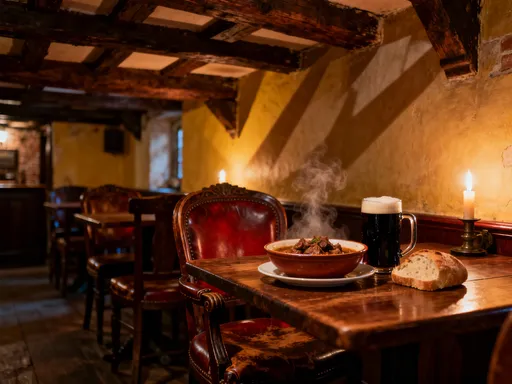
To truly understand Bruges through its food, you must try the dishes that have sustained its people for generations. These are not trendy fusion creations or Instagrammable novelties—they are hearty, flavorful, and deeply rooted in the region’s climate and history. One of the most iconic is stoofvlees, a rich beef stew slow-cooked in Belgian beer, typically a dark ale like Oud Bruin or Gueuze. The meat becomes so tender it falls apart with a touch, and the sauce develops a deep, malty complexity. Served with a side of golden fries or buttery mashed potatoes, this dish is a celebration of patience and flavor. It’s the kind of meal that warms you from the inside, perfect for Bruges’ cool, damp evenings.
Another staple is moules-frites, or mussels with fries. While mussels are enjoyed across coastal Europe, the Belgian version stands out for its simplicity and quality. Fresh mussels are steamed in a broth of white wine, shallots, parsley, and butter, then served in a wide bowl with a generous portion of crispy fries. The key is freshness—the best places shuck and cook the mussels to order, never using frozen seafood. The fries themselves are a point of pride in Belgium, cut thick, fried twice, and served in a paper cone with a choice of sauces. Mayonnaise, of course, is the traditional favorite, though garlic aioli and Andalouse are also popular.
Less known but equally important is waterzooi, a creamy stew that comes in both chicken and fish varieties. Originating in the Flanders region, this dish was traditionally made by fishermen using whatever catch was available, simmered with vegetables and cream. The result is a velvety, comforting soup with a delicate balance of flavors. It’s the kind of dish that feels nourishing and restorative, often served in family homes during colder months. Finding an authentic version requires some effort—many tourist menus list it, but the real deal is made from scratch and served in modest portions, not as a spectacle.
Beer is not just a drink in Bruges—it’s an essential ingredient and a cultural cornerstone. The region’s long brewing tradition means that beer appears in stews, marinades, and even desserts. Each type of beer brings a different character to a dish: a lambic adds tartness, a dubbel brings sweetness, and a tripel contributes spice and warmth. Understanding this connection deepens the dining experience. Rather than treating beer as an afterthought, locals pair it thoughtfully with food, much like wine in other cultures. A well-chosen beer can elevate a simple meal into something extraordinary. The best places to experience this are neighborhood taverns, where the bartender knows the brews by name and can recommend the perfect match for your plate.
The Chocolate Truth: Beyond the Gimmicks
Bruges is often called the chocolate capital of Belgium, and for good reason. The city is filled with chocolate shops, their windows stacked with glossy truffles, heart-shaped boxes, and ornate sculptures. But beneath the glittering displays lies a divide between mass production and true craftsmanship. Most of the shops near the Markt and the Belfry cater to tourists, selling chocolates made elsewhere, often in large factories, and simply packaged on-site. These products rely on appearance over taste, using artificial flavors, preservatives, and lower-grade cocoa. The result is a sweet treat, but not a memorable one.
The real artistry lies in the small ateliers where chocolatiers work by hand, from bean to bar. These artisans source high-quality, single-origin cocoa, roast it carefully, and grind it in small batches. The process is slow and deliberate, allowing the natural flavors of the beans to shine. Their pralines are often hand-painted, with intricate designs that reflect seasonal themes or local motifs. The fillings—whether ganache, fruit puree, or spiced cream—are made fresh daily, ensuring a texture and taste that mass-produced chocolates cannot replicate.
One way to identify a true artisan is to look for limited offerings. Instead of dozens of varieties, these shops may have only a dozen or so types, rotating with the seasons. You’ll also notice a lack of plastic packaging—real chocolates are wrapped in foil and paper, then placed in elegant but simple boxes. Another sign is the willingness of the staff to explain their process, the origin of their cocoa, and the inspiration behind their creations. They don’t need flashy displays to sell their product—the taste speaks for itself.
Visiting one of these ateliers is more than a shopping trip—it’s an experience. Some offer small tastings, allowing you to compare dark, milk, and white chocolates side by side. Others let you watch through a glass window as chocolatiers dip, mold, and decorate by hand. These moments connect you to the craft in a way that a souvenir box never could. And when you finally take a bite, you understand the difference: a clean snap, a smooth melt, a depth of flavor that unfolds in layers. This is chocolate not as candy, but as art.
Markets and Hidden Eateries Worth the Walk
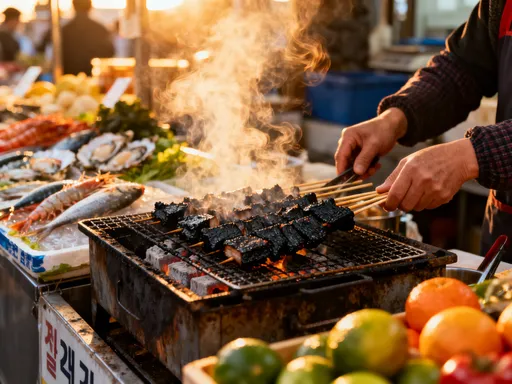
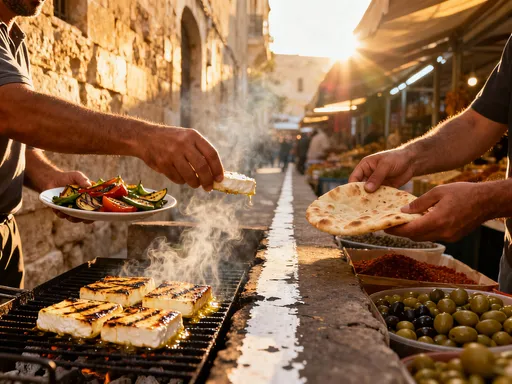
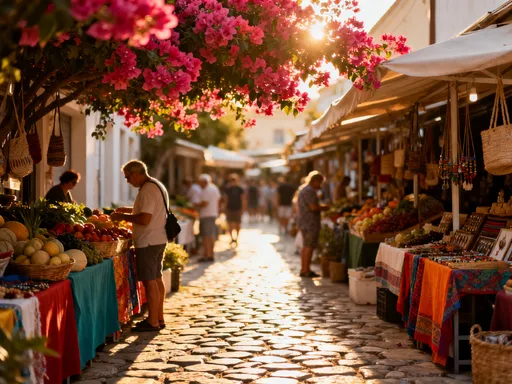
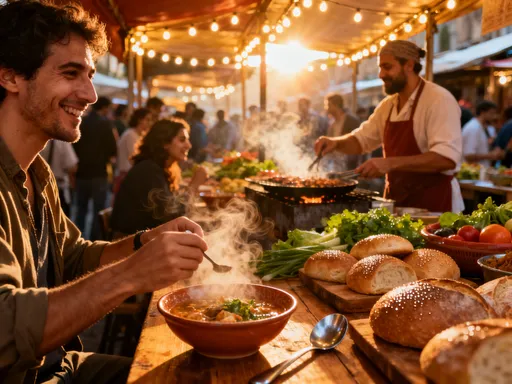
For a true taste of daily life in Bruges, visit the local markets that operate just beyond the tourist core. The Saturday farmers’ market near Simon Stevinplein is a prime example—a lively gathering of regional producers selling fresh vegetables, artisanal cheeses, house-cured meats, and handmade bread. Unlike the souvenir stalls near the canal, this market caters to residents, offering ingredients that reflect the seasons. The air is filled with the scent of warm pastries, roasting coffee, and herbs bundled in twine. It’s a place to wander slowly, to sample, to chat, and to absorb the rhythm of local life.
Street food here is not fast food—it’s thoughtful, freshly made, and deeply satisfying. At dawn markets, you might find vendors selling speculaas, a spiced biscuit flavored with cinnamon, nutmeg, and cloves, often pressed into intricate shapes. Warm from the oven, these cookies are crisp on the outside, tender within, and perfect with a cup of tea. Another gem is the vol-au-vent, a puff pastry shell filled with a creamy chicken or veal mixture, often available at small bakeries tucked into quiet corners. These are not dishes you’ll find on tourist menus, but they are beloved by locals for their comfort and flavor.
Neighborhoods like Sint-Anna and Assebroek offer a different perspective on Bruges—one without crowds, without guided tours, without the pressure to perform. Here, daily life unfolds naturally. You’ll see children walking to school, neighbors greeting each other on the street, and shopkeepers arranging their displays with care. The restaurants are unassuming, often with only a few tables, but they serve daily specials written on chalkboards in Flemish. These might include stoemp (mashed potatoes with vegetables), carbonade flamande (another name for stoofvlees), or seasonal fish dishes. The portions are modest, the service unhurried, and the experience deeply authentic.
Some of the best meals come from hole-in-the-wall spots that don’t advertise. A small frituur, for example, might serve the crispiest fries in the city, cooked in animal fat for extra flavor, and served with a side of homemade sauce. These places often have no seating—just a counter where you stand and eat. But the quality is undeniable. The key is to follow the locals. If you see a line of residents waiting, especially during lunchtime, it’s a strong sign that you’ve found something special. These are the kinds of places that don’t need reviews or ratings—they’ve been around for decades because they do one thing very well.
Timing, Reservations, and Cultural Etiquette
Dining in Bruges follows a different rhythm than in many other countries. Locals tend to eat later, with lunch often starting around 12:30 or 1 p.m., and dinner not beginning until 7:30 or 8 p.m. Many small restaurants close between services, so arriving at 3 p.m. might mean finding the doors locked. This gap allows owners to rest, clean, and prepare for the evening rush. Understanding this schedule is essential for planning your meals. Trying to eat at 6 p.m. might leave you with limited options, especially in smaller establishments that don’t operate on tourist time.
Reservations are highly recommended, particularly for specialty restaurants with fewer than 20 seats. These places often fill up quickly, especially on weekends, and may not accept walk-ins. Calling ahead—even in simple English—is usually sufficient. Many owners appreciate the effort, even if they don’t speak fluent English. A polite request, a clear time, and a thank you go a long way. Some may even offer suggestions based on your preferences, adding a personal touch to your visit.
Tipping is another area where cultural norms matter. In Belgium, service is usually included in the bill, so tipping is not mandatory. However, leaving a small amount—around 5 to 10 percent—for good service is appreciated. It’s common to round up the bill or leave coins on the table. Ordering is generally straightforward, and most restaurant staff in Bruges speak English, especially in places that receive international visitors. That said, attempting a few words in Flemish or French—such as “Goedemiddag” (good afternoon) or “Merci”—is seen as a sign of respect.
Respecting the atmosphere is equally important. Many of the best dining spaces are quiet, intimate, and designed for conversation. Loud talking, phone use, or rushing through a meal can feel out of place. Patience is valued. Dishes may take time to arrive, not because of inefficiency, but because they are made to order. This is not a flaw—it’s a feature. Embracing this pace allows you to savor not just the food, but the moment. When you approach dining with humility and openness, you’re more likely to be welcomed into the heart of Bruges’ culinary world.
Putting It All Together: Your Personalized Dining Journey
With these insights, you can craft a food journey that balances discovery with delight. Start your day at the Saturday market near Simon Stevinplein, where you can sample fresh cheese, warm speculaas, and locally roasted coffee. Let the scents guide you—follow the aroma of baking bread to a small bakery, where you might find a savory sandwich on crusty rye, filled with cured ham and butter. This is your fuel for the morning’s exploration.
By early afternoon, seek out a hidden frituur or neighborhood tavern for a taste of authentic Belgian fries or a bowl of waterzooi. Choose a place with locals inside, a chalkboard menu, and no photos on the menu. Sit at a small table, listen to the quiet chatter, and let the flavors speak. Afterward, take a walk through Sint-Anna, where the streets are lined with old houses and flowering plants, and the only crowds are children playing near the canal.
As evening approaches, make a reservation at a family-run restaurant known for its stoofvlees or moules-frites. Arrive on time, greet the staff, and allow the meal to unfold at its natural pace. Pair your dish with a regional beer, chosen with the owner’s advice. After dinner, visit a small chocolate atelier—preferably one without a neon sign or a window full of figurines. Sample a few pralines, watch the chocolatier at work, and take home a small box wrapped in plain paper.
Throughout your day, carry cash—many small vendors and family-run spots don’t accept cards. Ask shop owners where they eat; their recommendations are often the most reliable. Keep an open mind, and don’t rush. The goal is not to check off a list, but to immerse yourself in the rhythm of Bruges. Let the city reveal itself through its flavors, its quiet moments, its unspoken traditions. When you eat like a local, you don’t just visit Bruges—you become part of it, if only for a day. And in that brief connection, you find the true heart of the city: not in its postcard views, but in its plates, its markets, and its people. So go ahead—explore Bruges one real bite at a time.