You Gotta See These Hidden Gems in Surabaya – Real Local Vibes Only
Surabaya isn’t just Indonesia’s second-largest city—it’s a hub of culture, flavor, and unexpected relaxation. I used to think it was all concrete and traffic, but after exploring its leisure spots, I was blown away. From riverside parks to buzzing art cafes, Surabaya delivers chill moments you never saw coming. This is a guide to the places where locals unwind, laugh, and just *breathe*. If you’re craving authentic downtime in a city that moves fast, keep reading—these spots are low-key, real, and totally worth your time.
Why Surabaya Deserves a Second Look for Leisure Travelers
Often overshadowed by Jakarta and Bali, Surabaya has long carried a reputation as an industrial powerhouse—a city built on commerce, resilience, and hard work. But beneath its bustling streets and efficient urban rhythm lies a growing culture of leisure, wellness, and creative expression that is quietly redefining what it means to spend time here. Over the past decade, city planners and local communities have worked hand in hand to transform underutilized spaces into vibrant hubs for relaxation, social connection, and cultural exchange. This evolution is not just cosmetic; it reflects a deeper shift in how residents view quality of life.
What sets Surabaya apart is its authenticity. Unlike tourist-centric destinations that cater to foreign expectations, the city’s leisure offerings are shaped by the needs and tastes of its own people. You won’t find staged performances or overpriced attractions designed for Instagram. Instead, you’ll encounter real moments: families flying kites at dusk, students sketching in shaded corners, couples sharing sweet tea at sidewalk stalls. These experiences are woven into the fabric of daily life, making them both accessible and deeply meaningful.
The transformation has been supported by municipal investment in public infrastructure, green spaces, and sustainable transport. Projects like riverfront revitalization and eco-friendly public transit have not only improved air quality and mobility but also created new opportunities for calm and recreation. As a result, Surabaya is emerging as a model for mid-sized Asian cities looking to balance economic growth with livability. For the thoughtful traveler, this means a rare chance to witness urban renewal in action—not from a distance, but by stepping right into it.
Taman Bungkul: The City’s Beating Green Heart
If there’s one place that captures the spirit of modern Surabaya, it’s Taman Bungkul. Nestled in the heart of the city, this expansive park is more than just a patch of green—it’s a living room for the community. Once an underused lot plagued by congestion and neglect, it has been reborn as a lush, thoughtfully designed oasis where people of all ages come to reconnect with nature and each other. Towering trees provide shade, winding pathways invite strolls, and open lawns welcome spontaneous games and picnics.
Mornings at Taman Bungkul are alive with movement. Local fitness groups gather for tai chi, aerobic dance, and yoga sessions on the central plaza, often led by volunteers who believe in the healing power of routine and rhythm. The soft hum of traditional music blends with the chirping of birds, creating a soothing soundtrack that feels worlds away from the surrounding traffic. By midday, families begin to arrive, spreading out mats under the trees or renting bicycles to explore the park’s perimeter path. It’s common to see grandparents pushing strollers, teenagers snapping selfies by the fountains, and office workers sneaking in a quiet lunch break on a shaded bench.
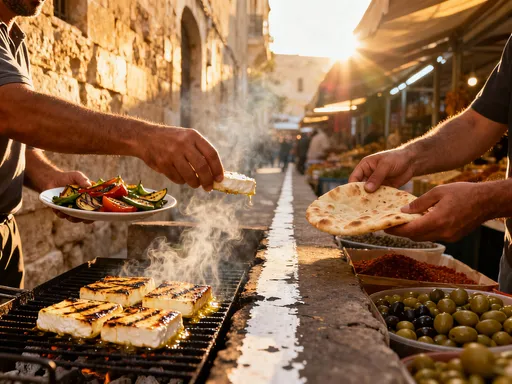
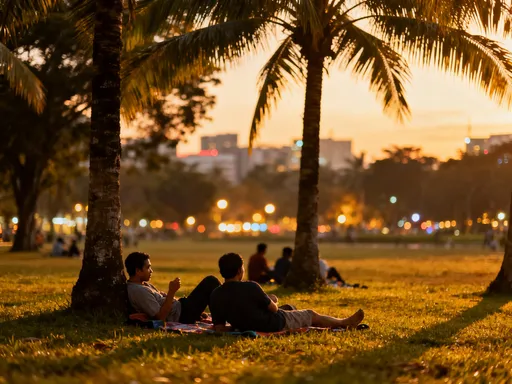
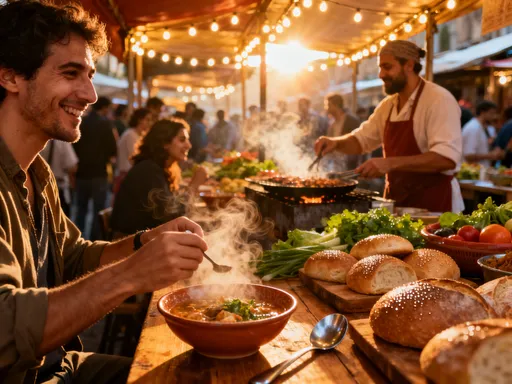
As the sun sets, the park transforms again. Food vendors set up along the perimeter, offering everything from grilled corn and fresh coconut water to savory meatballs and sweet *klepon*. The aroma of sizzling satay fills the air, drawing crowds who sit on low plastic stools, laughing and sharing stories. Children chase glowing balloons, while couples stroll hand in hand along the lighted walkways. What makes Taman Bungkul special isn’t just its beauty, but its inclusivity. Whether you’re wealthy or working-class, young or old, you belong here. It’s a rare urban space where status fades and simple joy takes center stage.
Suroboyo Bus & Riverfront Promenades: A New Way to Unwind
One of the most innovative leisure experiences in Surabaya isn’t found in a park or mall—it’s on the water. The Suroboyo Bus, an eco-friendly ferry service that runs along the Kalimas River, offers a unique way to see the city while reducing pollution. Powered by recycled cooking oil, these boats are part of a larger initiative to clean up the river and reconnect residents with its banks. More than just a transport option, the ride has become a favorite pastime for locals looking to escape the heat and enjoy a slow, scenic journey through the heart of town.
The experience begins at one of several docking points, where passengers board with the ease of hopping on a city bus. As the boat glides forward, the city unfolds on either side—modern high-rises give way to historic warehouses, while colorful murals and hanging gardens line the restored embankments. Along the route, soft lighting illuminates pedestrian walkways, where joggers, cyclists, and couples take evening strolls. Street musicians often perform near the stops, adding a soundtrack of acoustic guitar or traditional gamelan to the flowing water.
This riverside revival is more than aesthetic. Once neglected and polluted, the Kalimas corridor is now a symbol of urban renewal and community pride. Local governments partnered with artists, environmental groups, and small businesses to create a continuous green belt that encourages walking, cycling, and socializing. Benches, shaded gazebos, and public art installations make the area inviting at any time of day. For visitors, the Suroboyo Bus offers a peaceful alternative to crowded streets, while also showcasing how cities can turn environmental challenges into opportunities for connection and beauty.
Café Culture in Darmo & Bukit Darmo: Chill Meets Creativity
For many residents, unwinding means slipping into one of Surabaya’s many lifestyle cafes, particularly in the Darmo and Bukit Darmo neighborhoods. These areas have become epicenters of a quiet cultural shift—one where coffee is more than a drink, and a cafe is more than a place to sit. Here, design matters: think exposed brick walls, hanging greenery, minimalist wood furniture, and soft ambient lighting. The air carries the rich scent of freshly ground beans, and the soundtrack is usually a mix of lo-fi jazz or acoustic covers of classic Indonesian songs.
What makes these cafes special is their versatility. They serve as quiet sanctuaries for remote workers with reliable Wi-Fi and ample outlets, cozy meeting spots for friends catching up over *kopi tubruk*, and even informal galleries for local artists who display paintings or handmade crafts on rotating schedules. Many feature open-air courtyards or rooftop terraces, allowing guests to enjoy a breeze while staying sheltered from direct sun. Some even host weekly poetry readings, board game nights, or small music gigs, fostering a sense of community that goes beyond transactions.
While specific names may come and go, the essence remains the same: a space that values comfort, creativity, and conversation. These cafes reflect a broader trend in Surabaya—a growing desire for slower, more intentional living. For visitors, spending an afternoon in one of these spots offers a genuine window into contemporary urban life. You’re not just observing culture; you’re participating in it. And with affordable prices and warm service, there’s no pressure to rush. You can sip your drink, watch the world pass by, and simply be present.
Kenjeran Park & Masjid Cheng Hoo: Coastal Escape Within the City
Just a short drive from the city center, Kenjeran Park offers a surprising seaside retreat that feels both modern and deeply rooted in local identity. Once a rundown coastal area, it has been transformed into a sprawling recreational zone that blends entertainment, nature, and cultural heritage. At its core is a wide, palm-lined promenade that stretches along the Java Sea, offering panoramic views of the water and skyline. Families flock here on weekends to ride colorful bicycles, play on playgrounds, or enjoy gentle breezes on wooden benches facing the ocean.
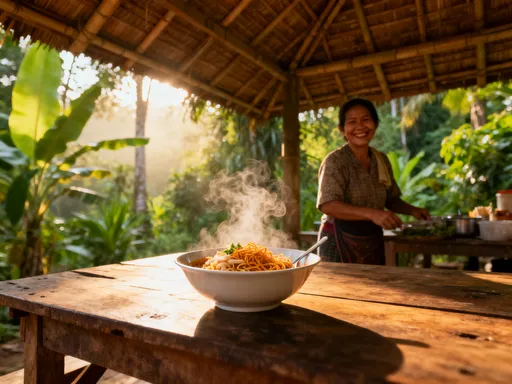
The park is especially popular with children, thanks to its modest amusement area featuring a Ferris wheel, mini train, and flying fox. But it’s the simpler pleasures that leave the strongest impression: flying kites shaped like birds and dragons, building sandcastles at low tide, or watching fishermen mend their nets in the distance. Along the edge of the park, dozens of *warungs* (small family-run stalls) serve fresh seafood—grilled fish, spicy *sambal cumi*, and *es kelapa muda* (young coconut ice) served in the shell. Eating here feels spontaneous and joyful, with plastic tables set right on the sand and the sound of waves in the background.
Nearby stands Masjid Cheng Hoo, one of Surabaya’s most distinctive mosques. Named after the legendary Chinese Muslim admiral Zheng He, the mosque blends Chinese architectural elements with Islamic design, featuring sweeping red roofs, dragon motifs, and open courtyards. More than a place of worship, it serves as a symbol of harmony and coexistence. Visitors are welcome to tour the grounds, where the atmosphere is serene and contemplative. Sitting in the courtyard with a view of the sea, it’s easy to feel a deep sense of peace—a rare quiet within the city limits. Together, Kenjeran Park and Masjid Cheng Hoo offer a powerful reminder that relaxation and reflection can coexist in a single destination.
Plaza Surabaya & Supermal Pakuwon Indah: More Than Just Shopping
In a tropical climate where afternoon heat can be overwhelming, air-conditioned malls aren’t just places to shop—they’re essential leisure spaces. Surabaya’s major malls, particularly Plaza Surabaya and Supermal Pakuwon Indah, have evolved far beyond retail centers. They are now full-fledged destinations for relaxation, entertainment, and socializing. With wide corridors, indoor gardens, and elegant lighting, these spaces are designed to feel welcoming and spacious, encouraging visitors to linger rather than rush.
Plaza Surabaya, located in the city’s commercial district, features a large food court offering regional specialties from across Indonesia, as well as international options. Families gather here for affordable meals, while teenagers hang out after school. The mall also hosts seasonal exhibitions—from lantern festivals during Chinese New Year to batik showcases—turning shopping into a cultural experience. Meanwhile, Supermal Pakuwon Indah, one of the city’s largest complexes, includes an indoor ice skating rink, a multiplex cinema, and even a rooftop garden with seating and greenery. It’s not uncommon to see parents teaching children to skate, couples enjoying a movie date, or friends sipping coffee under the stars on the upper level.
What makes these malls unique is their role as climate-controlled community hubs. During rainy season or peak heat, they provide a safe, comfortable environment where people can stay active and engaged. They also reflect a broader trend in urban life—the blending of convenience and experience. For visitors, spending time in these spaces offers insight into how locals adapt to their environment while still prioritizing connection and enjoyment. You don’t need to spend money to appreciate them; sometimes, just walking through, observing the flow of life, is enough.
Local Tips for Making the Most of Your Downtime in Surabaya
To truly enjoy Surabaya’s leisure culture, timing and mindset matter. Locals know that the best moments often happen just before or after peak hours. For parks like Taman Bungkul and Kenjeran, early mornings (6–8 a.m.) and late afternoons (4–6 p.m.) are ideal for avoiding crowds and enjoying cooler temperatures. Weekdays tend to be quieter, while weekends bring more energy and activity—perfect if you want to soak in the social atmosphere.
Transportation is another key factor. While driving is possible, traffic can be heavy, especially during rush hours. Ride-hailing apps like Grab and Gojek are widely used and offer a convenient, affordable way to get around. For a more immersive experience, consider renting a bicycle at Kenjeran or using the Suroboyo Bus to explore the riverfront. Public transit is improving, and these options not only reduce stress but also connect you with the rhythm of the city.
Finally, the secret to blending in is simplicity. Surabaya residents value authenticity over show. Dress comfortably, smile often, and don’t be afraid to try local food from street vendors. Ask friendly questions, and you might be invited to join a morning stretch session or recommended a hidden *warung* with the best *bakso*. The city rewards curiosity and openness. By slowing down and observing, you’ll find your own peaceful corner—whether it’s a quiet bench by the river, a cozy corner in a neighborhood cafe, or a spot on the sand where the sea breeze meets the setting sun.
Conclusion: Finding Calm in the Urban Pulse
Surabaya may not top every traveler’s list, but those who take the time to look closer discover a city rich in quiet joys and authentic experiences. Beyond its reputation as a fast-paced metropolis lies a network of green spaces, creative hubs, and cultural landmarks where relaxation isn’t an afterthought—it’s woven into daily life. From the laughter in Taman Bungkul to the gentle sway of the Suroboyo Bus on the river, from the aroma of coffee in Darmo to the sea breeze at Kenjeran, the city offers a different kind of escape—one that doesn’t require leaving urban life behind.
The true beauty of Surabaya’s leisure scene is its accessibility. You don’t need a luxury resort or exclusive membership to feel at peace here. Calm is found in shared spaces, in simple rituals, in the way people gather not to impress, but to connect. As cities around the world grapple with stress, noise, and disconnection, Surabaya quietly demonstrates that well-being can grow even in dense, dynamic environments—if we design with people in mind.
So if you’re planning a trip to East Java, don’t just pass through. Stay a little longer. Let the city surprise you. Walk its parks, ride its river, sip coffee in its hidden corners. Let go of expectations and embrace the real, unpolished, deeply human moments that make Surabaya not just livable, but truly lovable. In the end, the best travel experiences aren’t about checking off landmarks—they’re about finding peace exactly where you are.