Lost in Zakynthos: Where Local Markets Meet Island Magic
You know that feeling when you stumble upon a place so alive with color, scent, and energy that it instantly becomes the heart of your trip? That’s Zakynthos’ commercial soul—far beyond postcard views. I’m talking bustling market lanes, family-run shops tucked in alleyways, and harborside hubs where locals sip coffee and life slows down. This isn’t just shopping; it’s discovering Greece one handmade trinket, fresh olive loaf, and warm *kalimera* at a time. Here, commerce is not a transaction but a conversation—one that unfolds in sun-drenched squares, quiet backstreets, and seaside corners where tradition meets daily life. In Zakynthos, every purchase tells a story, every vendor shares a smile, and every moment feels like belonging.
First Impressions: Stepping Into Zakynthos’ Beating Heart
Arriving in Zakynthos Town, travelers are greeted not by grand monuments or sterile shopping malls, but by the gentle hum of everyday life unfolding in narrow, cobbled lanes. The air carries a blend of salt from the Ionian Sea, the rich aroma of slow-roasting meats, and the sweet tang of ripe figs displayed in wooden crates. Unlike the predictable rhythm of tourist-centric destinations, Zakynthos invites visitors into its pulse—where commerce is woven into the fabric of community. The town’s commercial heart beats strongest around Solomos Square and the adjacent streets, where shuttered pastel buildings open into lively storefronts offering everything from hand-stitched linen to locally pressed olive oil.
What sets this experience apart is authenticity. There are no chain stores or mass-produced souvenirs crowding the sidewalks. Instead, small businesses thrive—each with its own character, often passed down through generations. A bakery might have been kneading dough since the 1950s, its owner greeting regulars by name. A spice stall could be run by a woman whose family has traded in saffron and oregano for decades. These details aren’t curated for tourists; they are simply how life here has always been lived. The rhythm of commerce mirrors the island’s pace: unhurried, intentional, and deeply personal.
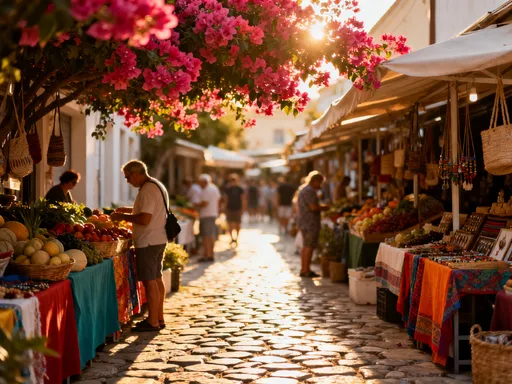
As you wander deeper into the town, the architecture itself tells a story of resilience and renewal. Much of Zakynthos Town was rebuilt after the 1953 earthquake, yet the reconstruction preserved its Mediterranean charm—arched doorways, wrought-iron balconies spilling with bougainvillea, and shaded courtyards where locals gather in the late afternoon. The commercial zones follow this aesthetic, blending functionality with beauty. Shops are modest in size but rich in detail: hand-painted signs, baskets of lemons hanging in doorways, and displays arranged with care rather than commercial calculation. This is not retail as performance; it is commerce as culture.
For visitors, the first step into Zakynthos’ commercial landscape is also an invitation—to slow down, to observe, to engage. Whether pausing at a kiosk for a chilled bottle of orange soda or watching a fishmonger expertly clean the morning’s catch, the experience feels immersive. There’s no pressure to buy, only the quiet encouragement to participate. And in that participation lies the beginning of connection: between traveler and local, between curiosity and tradition, between seeing a place and truly feeling it.
The Market Pulse: A Day at St. Mark’s Square and Beyond
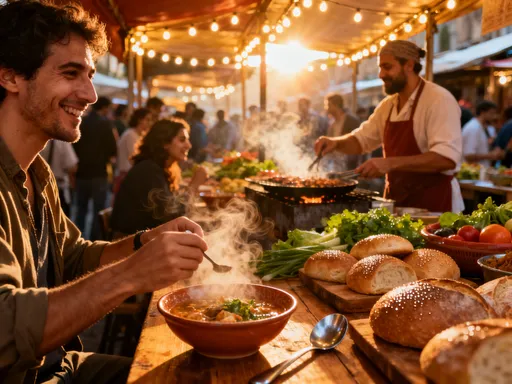
At the center of Zakynthos’ commercial rhythm lies St. Mark’s Square, a vibrant open space that functions as both a landmark and a living marketplace. By mid-morning, striped awnings stretch over wooden stalls, sheltering displays of honeycomb jars, hand-dyed textiles, and ceramics glazed in earthy island tones. The square is never still. Baristas behind small espresso counters pull shots for locals on their way to work, while tourists linger at marble-topped tables sipping freddo cappuccinos. The scent of roasted coffee blends with the briny freshness of nearby seafood stands, creating a sensory tapestry that defines the island’s daily commerce.
This is where tradition meets trade in its most natural form. Vendors are not impersonal sellers but custodians of craft and harvest. One stall might feature thyme honey harvested from mountain hives, its golden hue glowing under the sun. Another offers saffron threads carefully packed in tiny vials—each batch grown in family plots on the island’s eastern slopes. These products are not just for sale; they are introductions to Zakynthos’ land and labor. When you buy a jar of honey or a bundle of dried herbs, you’re not only taking home a taste of the island—you’re supporting the quiet economy of small-scale agriculture that sustains rural communities.
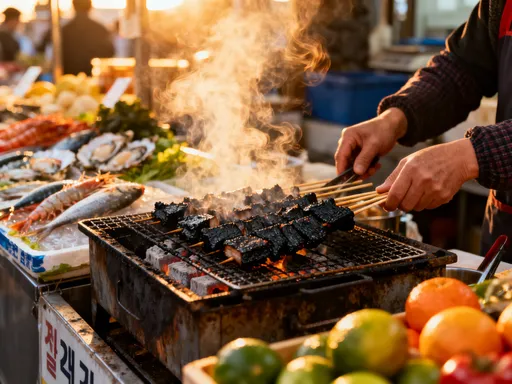
The rhythm of the market follows the sun. Early mornings are busiest, as fishermen wheel carts of glistening octopus and sardines from the docks just blocks away. By 9 a.m., women in floral aprons sort through pyramids of tomatoes, eggplants, and zucchini at the produce stands, their voices rising in friendly debate over price and ripeness. Elderly men in flat caps pause to bargain for ripe figs, their laughter mingling with the clink of coins and the rustle of paper bags. It’s a scene that feels timeless, where commerce is not rushed but ritualized—a daily exchange that binds neighbors and nourishes the town.
What makes St. Mark’s Square more than a shopping destination is its role as a social hub. Locals don’t come here only to buy; they come to see friends, to share news, to sit on stone benches and watch the world pass by. Children dart between stalls chasing ice cream, while older couples share a single coffee over quiet conversation. Tourists who take the time to linger often find themselves drawn into this rhythm—offered a taste of cheese by a vendor, invited to sample olive oil on a piece of crusty bread. These small gestures transform the market from a place of commerce into a space of connection, where every interaction carries warmth and welcome.
Coastal Commerce: Lively Harbors and Seaside Hubs
While Zakynthos Town pulses with urban energy, the island’s coastal villages offer a different kind of commercial charm—one shaped by the sea and the rhythms of fishing and sailing. In places like Keri and Porto Vromi, the harbors are not grand marinas filled with luxury yachts but modest, working waterfronts where wooden fishing boats bob gently at anchor. Here, commerce is low-key, practical, and deeply rooted in maritime life. Small clusters of family-run seafood tavernas line the docks, their chalkboard menus advertising the day’s catch—grilled octopus, fried calamari, or stewed fish in tomato sauce.
Adjacent to these eateries, you’ll find makeshift kiosks selling hand-tied fishing lures, woven hats, and postcards printed with vintage island scenes. Sail rental shacks, often no more than a tarp-covered counter, offer hourly or daily charters for small dinghies or kayaks. These services aren’t marketed with glossy brochures but through word of mouth and handwritten signs. There’s a refreshing lack of pretense. When you rent a boat from a weathered captain in a faded cap, you’re not just paying for equipment—you’re receiving advice on hidden coves, warnings about afternoon winds, and perhaps an invitation to return for a drink when you come back ashore.
The commercial life of these coastal hubs reflects the values of the communities that sustain them: simplicity, honesty, and hospitality. Unlike the bustling resorts of other Greek islands, Keri and Porto Vromi have resisted overdevelopment. There are no souvenir superstores or crowded souvenir strips. Instead, commerce happens in small, human-scaled spaces—a woman selling homemade spoon sweets from her kitchen window, a teenager offering guided snorkeling tours on his father’s boat, a retired fisherman turning driftwood into carved keepsakes sold from a folding table. These micro-businesses are not designed for mass tourism but for survival and pride.
For travelers, wandering these seaside zones offers unexpected rewards. You might find yourself sharing a table with a local boat captain over glasses of ouzo, listening to stories of storms weathered and dolphins spotted. Or you might stumble upon a tiny bakery tucked behind the harbor, where a grandmother pulls warm loaves from a wood-fired oven, offering a slice with a smile. These moments are not staged for visitors; they are simply part of life here. And in their authenticity lies their magic—the sense that you’ve stepped into a world where commerce serves community, not the other way around.
Hidden Retail Gems: Family Shops and Artisan Studios
Beyond the main streets and popular squares, Zakynthos holds quieter treasures—family-run shops and artisan studios where craft is not a performance but a way of life. These are not boutiques designed for Instagram photos but working spaces where generations of skill unfold in real time. In a narrow lane behind Solomos Square, a third-generation leatherworker shapes sandals from thick, sun-softened hides, his hands moving with the precision of decades. Down a cobbled alley in the village of Volimes, a potter turns island clay on a spinning wheel, shaping vases and bowls that will be fired in a wood-burning kiln just behind his home.
What makes these places remarkable is their openness. Many artisans welcome visitors not as customers but as guests. You can stand quietly and watch the potter’s hands coax form from earth, or sit on a wooden stool while the sandal maker measures your foot with a strip of string. There’s no pressure to buy, only the quiet understanding that seeing the craft is part of honoring it. When you do make a purchase—a pair of hand-stitched sandals, a glazed ceramic bowl—you’re not just acquiring an object; you’re carrying home a piece of the island’s soul.
Supporting these artisans does more than preserve tradition—it sustains livelihoods. In a world where mass production dominates, Zakynthos’ small workshops stand as quiet acts of resistance. Each purchase helps keep a craft alive, ensures a family can remain in their ancestral home, and maintains the delicate balance between tourism and authenticity. These businesses don’t rely on advertising or online stores; they thrive on reputation, return visits, and the slow spread of word-of-mouth appreciation.
Finding these hidden gems requires curiosity more than navigation. There are no official maps or marked trails, but clues abound: a whiff of hot leather around a corner, the sound of a hammer shaping metal, a hand-painted sign in faded Greek script. Asking a local shopkeeper for directions often leads to a warm smile and a pointing finger—“Try the street behind the old church,” they might say. These moments of guidance are part of the journey, reinforcing the idea that discovery here is not about ticking off attractions but about following intuition and connection.
Eat Like a Local: From Bakeries to Bougainvillea-Covered Cafés
On Zakynthos, eating is not just sustenance—it’s a central act of commerce, culture, and community. The island’s most beloved food spots are not glossy restaurants with international menus but humble, family-run establishments where recipes have been passed down for generations. A corner bakery in Tsilivi might be famous for its *tiropita*, the flaky phyllo pastry filled with creamy local cheese, baked fresh every morning. A juice stand in Laganas, run by a father and daughter team, serves chilled pomegranate and orange blends using fruit picked from their own orchard just hours before.
These places are more than eateries; they are economic anchors. Every loaf of bread, every pressed juice, every grilled souvlaki supports a family, employs a neighbor, and keeps local agriculture thriving. When you buy a pastry from a small bakery, you’re not only enjoying a delicious snack—you’re contributing to a network of wheat farmers, dairy producers, and olive growers whose products form the backbone of the island’s cuisine. This interconnectedness is what gives Zakynthos’ food culture its depth and integrity.
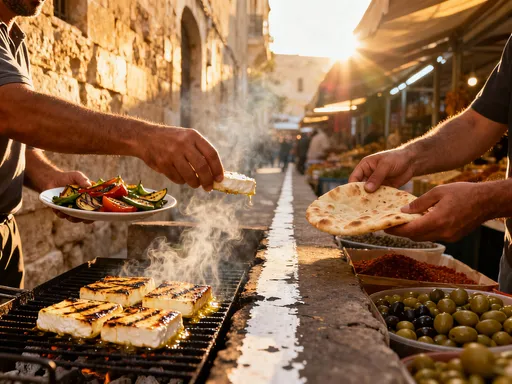
The late-night souvlaki spot, known only by reputation, draws both locals and visitors with its smoky aroma and quick service. Stacks of pita bread warm near the grill, while skewers of marinated pork sizzle over charcoal. Orders are shouted in Greek and English, payments made in cash, and meals eaten on plastic stools under strings of fairy lights. There’s no table service, no menu board—just a rhythm of fire, flavor, and fellowship. These informal dining experiences are where social and economic life intersect, creating spaces where everyone, regardless of origin, feels welcome.
Even the simplest café holds significance. A bougainvillea-covered terrace in Keri might host an elderly couple sipping coffee at noon, a young family sharing a plate of olives, and a solo traveler sketching in a notebook. The owner moves between tables with practiced ease, refilling cups without being asked. These moments of quiet hospitality are sustained by daily commerce—each espresso, each glass of water, each small order adding up to a livelihood. To eat like a local on Zakynthos is to participate in this cycle, to choose flavor over flash, and to recognize that every meal is part of a larger story.
Practical Magic: Navigating Zakynthos’ Commercial Zones with Ease
Exploring Zakynthos’ commercial heart doesn’t require a guidebook, but a few practical insights can make the experience smoother and more rewarding. The best time to visit markets like St. Mark’s Square is early in the morning, before the midday heat sets in. By 8 a.m., vendors are fully set up, produce is at its freshest, and the pace is lively but not overwhelming. This is also when locals do their shopping, offering visitors the chance to observe daily routines and perhaps receive a friendly nod or recommendation.
When it comes to payment, cash remains king in small shops and market stalls, though many businesses now accept cards. It’s wise to carry a mix of both, especially when visiting rural markets or family-run studios. Coins are particularly useful for small purchases—bottled water, pastries, or a single piece of fruit from a roadside stand. ATMs are available in major towns, but it’s best to withdraw what you need in Zakynthos Town, where machines are more reliable and fees are lower.
Public transportation connects key commercial areas with surprising efficiency. Buses run regularly between the capital and coastal villages, stopping near main squares and harbors. Schedules are posted at bus stops and online, and fares are modest. For those renting scooters or cars, parking in the town center can be tight, but designated lots are available just outside the old town walls. Walking remains the best way to explore—narrow streets are not designed for vehicles, and every turn reveals something new.
Understanding local etiquette enhances the experience. Haggling is rare and often considered impolite, especially in small family businesses where prices are already fair. Instead, a warm greeting in Greek—*kalimera* for good morning—goes a long way. Locals appreciate the effort, even if your pronunciation is imperfect. Lingering is encouraged; rushing is not. If a vendor offers you a taste of cheese or a sip of raki, accept with gratitude. These gestures are not sales tactics but expressions of hospitality. By respecting these unwritten rules, travelers move from being observers to participants in the island’s rhythm.
Why It All Matters: Travel That Feels Real
In an age of curated travel experiences and algorithm-driven itineraries, Zakynthos offers something increasingly rare: authenticity. Tourist traps may promise convenience, but they often deliver forgettable moments. In contrast, the island’s local markets, family shops, and seaside hubs create memories that linger—not because they are perfect, but because they are real. Every interaction here carries weight: buying olives from a grandmother’s wooden crate, receiving directions from a sandal maker who remembers your face from yesterday, sharing a smile with a fishmonger who hands you a sample of grilled sardine on a toothpick.
These moments are not incidental; they are the heart of meaningful travel. When we choose to engage with local commerce—rather than bypass it for familiar chains—we support sustainable economies and preserve cultural heritage. We become part of a living tradition, one that values craftsmanship over convenience, connection over consumption. Zakynthos teaches us that the soul of a place is not found in grand monuments alone, but in the quiet exchanges that happen every day in markets, kitchens, and harbors.
Travel, at its best, is not about collecting sights but about collecting feelings—of belonging, of discovery, of human warmth. In Zakynthos, commerce becomes a bridge between visitor and resident, between outsider and insider. It invites us to slow down, to look closely, to say *kalimera* with intention. And in that simple act, we do more than see the island—we begin to feel it, breathe it, and carry a piece of it with us long after we’ve left.
Conclusion: More Than Transactions
Zakynthos teaches us that commerce can be a bridge, not a barrier. When we step into its markets and family-run stores, we’re not just spending money—we’re sharing moments, supporting livelihoods, and becoming part of the island’s rhythm. The real discovery? The soul of a place isn’t found in landmarks alone, but in the everyday dance of life, trade, and human warmth. Every loaf of bread, every hand-thrown pot, every shared coffee tells a story of resilience, tradition, and connection. To travel here is to remember that the most valuable souvenirs are not things, but memories—of laughter in a crowded square, of kindness from a stranger, of belonging, even if just for a moment. In choosing Zakynthos’ authentic commerce, we don’t just visit a destination—we become part of its living story.