You Won’t Believe What I Ate at Adelaide’s Weekend Markets
Adelaide isn’t just Australia’s cultural gem—it’s a food lover’s paradise hidden in plain sight. I went hunting for local flavors and stumbled upon vibrant markets where fresh produce meets sizzling street food. From buttery lobster rolls to handmade pasta, every bite told a story. This is more than shopping—it’s a full sensory journey. If you think grocery runs are boring, let me show you how Adelaide turns them into unforgettable moments. The city’s weekend markets aren’t just places to stock the pantry—they’re living expressions of community, culture, and culinary craftsmanship. Here, food is celebrated not as a commodity, but as a shared experience, shaped by the land, the seasons, and the hands that grow and prepare it. For anyone seeking authenticity in travel, Adelaide offers a rare kind of magic: the everyday transformed into something extraordinary.
The Pulse of Adelaide: Why Food and Shopping Go Hand in Hand
Adelaide’s identity is deeply rooted in a rhythm of life that values balance, quality, and connection. Unlike fast-paced urban centers where shopping is transactional, this South Australian capital treats the act of buying food as an event—one woven into the fabric of weekend routines. Locals don’t just shop for groceries; they gather, taste, listen to live music, and linger over coffee while children play near artisan stalls. This cultural mindset transforms markets from mere retail spaces into vibrant social hubs. In neighborhoods like Norwood and Prospect, the weekly market visit is as much a part of family tradition as Sunday dinner. It’s not uncommon to see neighbors catching up over a shared plate of wood-fired pizza while browsing baskets of heirloom tomatoes or jars of raw honey.
What makes this blend of food and community so seamless is Adelaide’s deep respect for provenance. Residents take pride in knowing where their food comes from, often forming personal relationships with the farmers and producers who supply it. This transparency fosters trust and enhances the overall experience. A simple purchase of free-range eggs becomes more meaningful when you’ve spoken with the farmer who raises the hens on a small property outside the Barossa Valley. These interactions create a sense of belonging, turning routine errands into meaningful moments of connection. The city’s compact layout and walkable neighborhoods further support this lifestyle, making it easy for families to arrive by foot, bike, or public transport, turning a shopping trip into a full day out.
Moreover, Adelaide’s climate and geography play a crucial role in shaping its food culture. With fertile soils, a Mediterranean climate, and proximity to both coastal and inland regions, the area produces an exceptional range of ingredients—olives, stone fruits, seafood, wine, and dairy. This abundance is reflected in the diversity of offerings at local markets. Rather than relying on imported goods, vendors showcase what’s fresh and in season, reinforcing a natural cycle of eating that aligns with the land’s rhythms. As a result, visitors don’t just eat well—they eat meaningfully, with each item on their plate telling a story of place, season, and care.
A Weekend Ritual: Inside the Adelaide Farmers’ Market
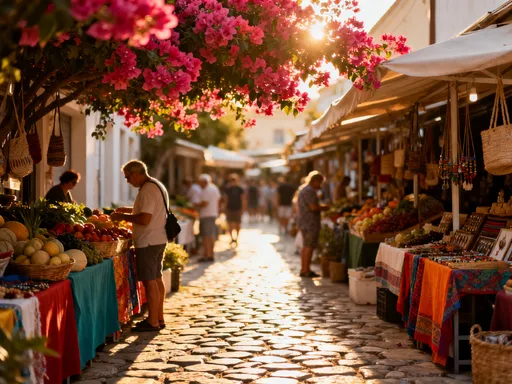
Held every Saturday at the Adelaide Showground in Wayville, the Adelaide Farmers’ Market is the beating heart of the city’s local food scene. From the moment the gates open at 8 a.m., the air fills with the scent of roasting coffee, freshly baked sourdough, and grilled sausages. Long rows of white tents stretch across the open field, each one housing a producer passionate about their craft. This is not a tourist market with mass-produced souvenirs; it’s a working marketplace where the best of South Australia’s agriculture and artisan food production converges. Visitors come not only to shop but to witness the dedication behind every jar, loaf, and cut of meat.
Vendors like Hilltown Pork represent the high standards upheld at the market. Their free-range pork, raised on ethical farms with access to open pastures, is a favorite among regulars. Whether it’s smoky bacon, slow-cooked pulled pork, or handcrafted sausages, the quality is immediately apparent. Similarly, Bizzarri Dough, a well-known local favorite, draws long lines for its handmade pasta and filled dumplings. Watching the team roll out sheets of fresh fettuccine or fold delicate ravioli by hand is a reminder of the artistry involved in traditional food preparation. These are not just products—they are expressions of heritage, technique, and pride.
One of the most distinctive features of the Adelaide Farmers’ Market is the emphasis on interaction. Shoppers are encouraged to taste before they buy, whether it’s sampling a slice of aged cheddar, sipping cold-pressed apple juice, or trying a spoonful of truffle-infused honey. Producers are present at every stall, ready to explain their methods, share recipes, or answer questions about farming practices. For families, this creates an educational experience—children learn about where milk comes from, how bees make honey, or why organic farming matters. Additionally, the market hosts rotating cooking demonstrations, where local chefs prepare dishes using market ingredients, offering practical inspiration for home cooks.
From Market Basket to Dinner Table: The Joy of Ingredient Hunting
Shopping at Adelaide’s weekend markets is not just about filling a basket—it’s about curating an experience that extends into the kitchen and beyond. The process of selecting ingredients becomes a mindful practice, engaging all the senses. Imagine running your fingers over a cluster of plump, sun-warmed figs, their skin splitting slightly to reveal jewel-toned flesh inside. Or inhaling the sharp, citrusy aroma of lemon myrtle, a native Australian herb that adds a bright, distinctive note to sauces and desserts. These moments elevate grocery shopping from a chore to a celebration of flavor and seasonality.
For those cooking at home, the quality of ingredients makes a visible difference. A fillet of wild-caught kingfish from a Tasmanian supplier, its flesh firm and glistening, needs little more than a sprinkle of salt and a sear in a hot pan to become a restaurant-worthy meal. Similarly, a bunch of just-harvested asparagus, still crisp and grassy, transforms a simple omelet into something memorable. The market encourages this kind of intuitive cooking—where meals are built around what’s freshest, not what’s on a rigid grocery list. This approach fosters creativity and reduces waste, as cooks learn to adapt based on availability.
To make the most of the experience, timing is key. Arriving early—between 8:00 and 9:30 a.m.—ensures access to the fullest selection, especially for popular items like organic berries, artisan cheeses, or free-range poultry. Many vendors sell out by midday, and some even replenish their stalls mid-morning after returning to the farm for a second harvest. Observing the rhythm of the market allows shoppers to plan accordingly. Additionally, learning to recognize peak-season produce enhances the experience. In late spring, it’s rhubarb and strawberries; in summer, peaches and corn; in autumn, pumpkins and grapes; and in winter, hearty root vegetables and citrus. This seasonal awareness connects diners more deeply to the land and its cycles.
Street Food That Steals the Show: When Shopping Becomes a Feast
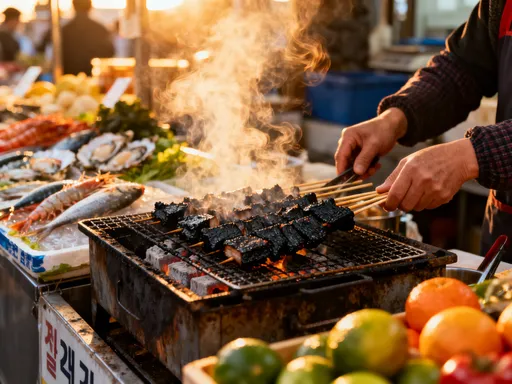
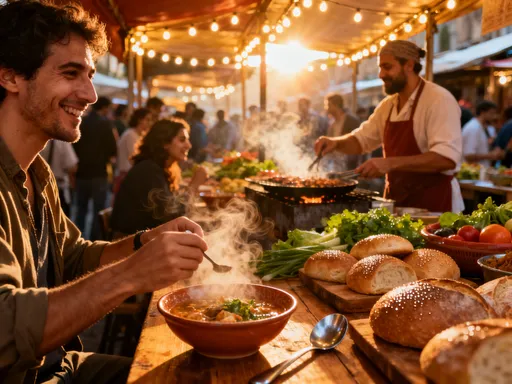
While the market is a haven for home cooks, it’s also a paradise for those who want to eat immediately. The ready-to-eat offerings are some of the most exciting elements of the Adelaide Farmers’ Market, transforming a shopping trip into a full culinary adventure. Food trucks and pop-up kitchens line the outer edges of the grounds, each offering a distinct flavor profile that reflects the city’s multicultural makeup. The scent of Korean gochujang marinade mingles with the sweet aroma of freshly fried churros, creating an atmosphere that feels both familiar and exotic.
One standout favorite is the Korean-Mexican fusion stall, where bulgogi beef is tucked into soft corn tortillas and topped with pickled vegetables and spicy mayo. It’s a dish that embodies Adelaide’s openness to global flavors while maintaining a sense of balance and freshness. Equally popular are the salted caramel lamingtons—classic Australian sponge cakes coated in chocolate and coconut, now elevated with a glossy swirl of rich caramel and a sprinkle of sea salt. These treats sell out quickly, often before noon, a testament to their popularity among both locals and visitors.
Pricing remains accessible, with most street food items ranging from AUD 8 to AUD 15, making it easy to sample multiple dishes without overspending. Queue etiquette is relaxed but efficient—most lines move steadily, and vendors often hand out samples or water on hot days to keep customers comfortable. For families, the variety ensures that everyone finds something they love, whether it’s a vegetarian falafel wrap, a creamy gelato, or a warm sausage roll with tomato sauce. These bites aren’t just convenient—they’re highlights of the day, moments of pure enjoyment that linger in memory long after the last crumb is gone.
Hidden Gems Beyond the Main Stalls: Discovering Artisan Producers
While the bustling food trucks and produce stands draw the most attention, some of the market’s most memorable experiences come from quieter, lesser-known vendors. These artisans operate on a small scale, often producing by hand in limited batches, yet their offerings are among the most distinctive. A jar of cold-pressed olive oil from a family grove in the Adelaide Hills, its golden hue catching the morning light, carries the essence of sun-drenched groves and careful harvesting. Similarly, house-cured olives, marinated in rosemary and citrus peel, offer a depth of flavor that mass-produced versions simply can’t match.
Another standout is the handmade gnocchi stall, where dough is rolled and shaped fresh each morning. Unlike the dry, shelf-stable versions found in supermarkets, these pillowy dumplings cook in minutes and melt on the tongue, especially when tossed with browned butter and sage. The vendor, often the maker themselves, takes pride in explaining their process—how they use only the finest potatoes, how they knead gently to preserve lightness, and why they never rush the resting phase. These details matter, and customers feel the difference in every bite.
These producers are the backbone of South Australia’s slow food movement, prioritizing quality, sustainability, and tradition over speed and scale. They represent a growing desire among consumers to reconnect with real food—food that has a story, a maker, and a place. For shoppers, discovering these artisans is like uncovering a secret, a reward for venturing beyond the main aisles. Starting a conversation with a maker not only deepens appreciation for the product but also strengthens the sense of community that defines the market experience. It’s not just about buying something—it’s about understanding it, valuing it, and carrying that connection home.
Planning Your Own Food Adventure: Practical Tips for First-Timers
For those visiting Adelaide for the first time, planning a market trip can feel overwhelming, but with a few practical tips, the experience becomes seamless and enjoyable. The Adelaide Farmers’ Market at the Showground is easily accessible by public transport. The free City Connector bus service includes a stop nearby, and regular bus routes serve the area throughout the morning. Cyclists will appreciate the dedicated bike paths that lead directly to the venue, and ample bike racks are available. For drivers, parking is available on-site, though spaces fill quickly, so arriving before 9 a.m. is advisable.
Bringing a reusable shopping bag is not just eco-friendly—it’s practical. Many vendors do not provide packaging, and those that do often use compostable materials. A sturdy tote or canvas bag makes it easier to carry fresh produce, bread, and prepared foods without worry. It’s also wise to bring a small cooler bag for perishable items like dairy, meat, or seafood, especially on warmer days. While most vendors accept card payments, having some cash on hand ensures you can support smaller stalls that may operate on a cash-only basis.
Families will find the market welcoming. Stroller access is easy, shaded areas provide relief from the sun, and there are clean restroom facilities nearby. Some vendors offer kid-friendly samples, and the open space allows children to move around safely under supervision. Pets are generally not permitted inside the market grounds due to food safety regulations, but nearby parks like Brownhill Creek Recreation Park offer pleasant walking trails for dog owners. To extend the day, consider pairing the market visit with a stroll through the adjacent Botanic Gardens or a stop at the nearby Art Gallery of South Australia, both within a short tram or bus ride.
Why This Experience Stays With You: More Than Just a Meal
The lasting impact of Adelaide’s weekend markets goes far beyond the food itself. Yes, the flavors are exceptional—the sweet figs, the smoky sausages, the buttery pastries—but what truly lingers is the feeling of connection. Connection to the people who grow and prepare the food, to the land that sustains it, and to the community that gathers around it. In a world where meals are often rushed and anonymous, the market offers a rare opportunity to slow down, to see the faces behind the food, and to appreciate the care that goes into every step of production.
This experience fosters mindfulness, encouraging visitors to be more intentional about what they eat and why. It promotes sustainability by supporting local agriculture, reducing food miles, and minimizing packaging waste. It strengthens community ties, as conversations at stalls turn strangers into acquaintances and regulars into friends. For families, it creates shared memories—children learning about food origins, parents discovering new recipes, grandparents passing down culinary traditions.
Ultimately, visiting Adelaide’s weekend markets is not just about shopping or eating. It’s about embracing a way of life—one that values quality over convenience, connection over consumption, and presence over speed. It invites travelers not to observe from the outside, but to participate, to belong, to taste the rhythm of a city that knows how to live well. So the next time you find yourself in South Australia, don’t just visit Adelaide—eat like a local, shop like a resident, and let the market guide you to the heart of what makes this city truly special.